
Towards Environmental Resilience: Nepal’s Living Practice and the Global Context
A Summary Overview by Gemini

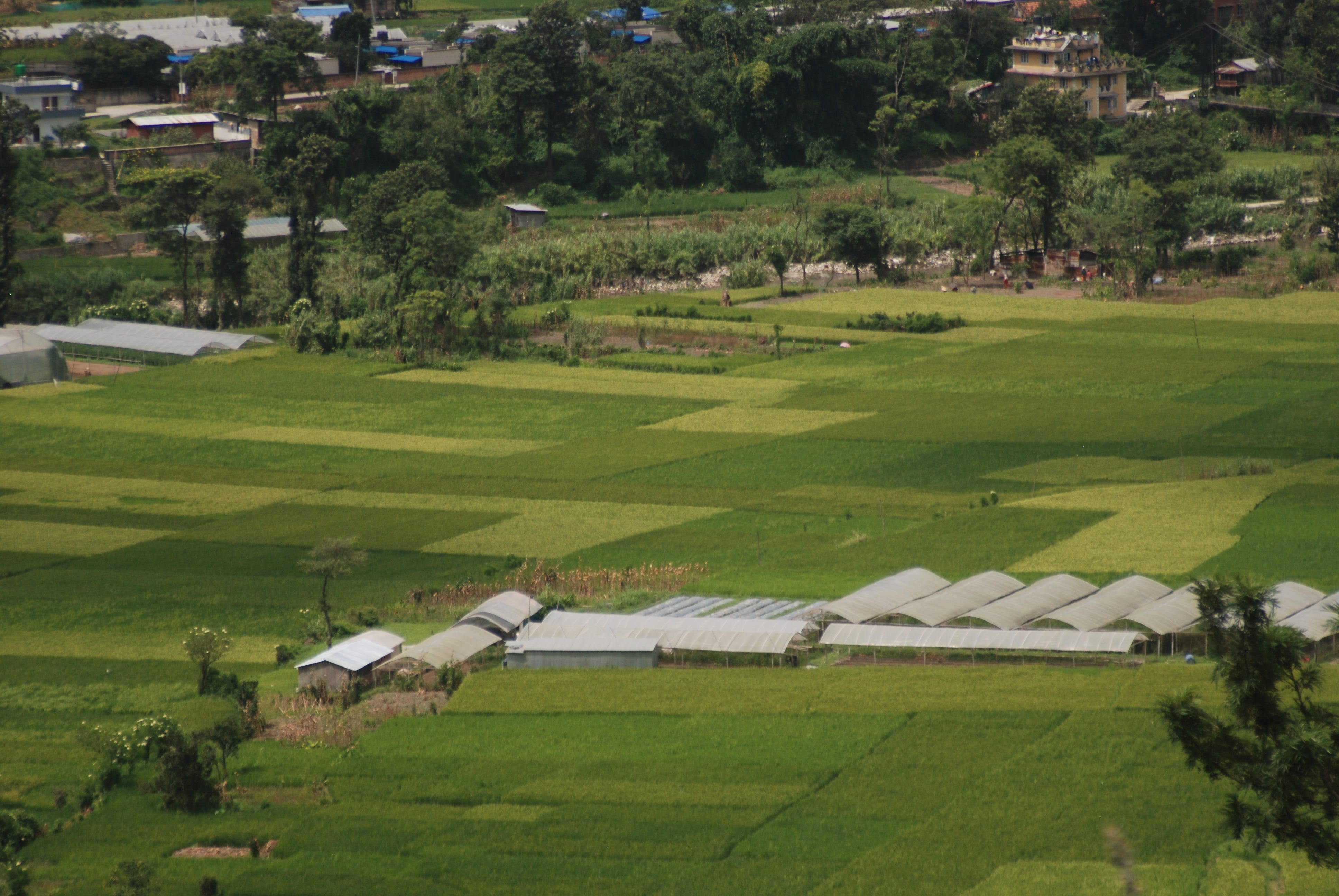
In Nepal, translating environmental resilience into daily practice is a journey of blending ancient indigenous wisdom with modern governance. Due to Nepal’s unique topography—ranging from the tropical plains of the Terai to the high Himalayas—resilience isn’t just a policy; it’s a survival strategy. To make resilience a living practice, the focus has shifted toward community-led standards that prioritise local ownership and ecological integrity.
The Tole System: Hyper-Local Governance
Community standards are increasingly being set at the Tole (neighbourhood) level. Municipalities like Suryodaya have pioneered using Tole Development Committees to create disaster-resilient standards. Every household nominates a representative to the TDC. These committees maintain GIS-based risk profiles and enforce local rules on waste segregation and landslide monitoring. This ensures that resilience isn’t a top-down directive but a collective neighbourhood agreement.
Integrating Indigenous Knowledge
Resilience is often translated into practice through traditional methods that have been tested over centuries. Farmers in the mid-hills are returning to drought-tolerant native crops and climate-smart calendars. The practice of building Pokharis (recharge ponds) is being revived to manage groundwater. Standards now include mandatory contour trenching on slopes to prevent erosion while storing water for the dry season.
Gender and Social Inclusion in Standards
Newer community standards explicitly mandate the inclusion of women and marginalised groups in decision-making. Since women are often the primary managers of natural resources (water, fodder, fuel), they are now prioritised in technical training for drone mapping and climate-resilient farming. Many local adaptation plans now require a minimum percentage of women in leadership roles to ensure that resilience addresses the specific vulnerabilities of those most affected by climate change.
Urban Resilience Frameworks
In rapidly urbanising areas like Chandragiri, resilience is being translated into building codes and urban design. Enforcement of Environmentally-Friendly Local Governance includes restrictions on plastic bags, mandatory waste segregation at the source, and the protection of public open spaces that act as flood buffers. Building standards are shifting to include permeable paving and solar-powered water lifting systems for communities that lack reliable energy.
Nepal’s community-led environmental practices are not just local success stories; they are increasingly viewed as a global gold standard for climate adaptation. The alignment with the global environmental discourse can be summarised through four key international frameworks:
Localisation of Climate Finance (The 80% Rule)
Global climate discourse, particularly through the UNFCCC, often struggles with top-down funding where money rarely reaches the most vulnerable. Nepal pioneered a policy mandating that 80% of climate adaptation funds must be spent at the local level. This aligns perfectly with the Principles for Locally Led Adaptation, which are now being championed by global bodies like the Global Commission on Adaptation.
Nature-based Solutions
The IUCN and the Paris Agreement have shifted focus toward Nature-based Solutions—using ecosystems to protect people. Nepal’s Community Forestry model is one of the world’s most successful examples of NbS. By restoring forest cover, communities are naturally mitigating landslides and sequestering carbon. The global discourse on Reducing Emissions from Deforestation and Forest Degradation frequently cites Nepal as a model for how to include indigenous people in carbon markets.
The Sendai Framework for Disaster Risk Reduction
The global standard for disaster management (Sendai Framework) emphasises Build Back Better and Understanding Disaster Risk. The use of Tole Development Committees to create hyper-local hazard maps is a direct application of Sendai’s Priority. Nepal translates the abstract global goal of risk reduction into a living practice where neighbours know exactly which slopes are unstable and where the nearest safe shelter is located.
Convergence with the Circular Economy
The global shift away from “take-make-waste” models toward a Circular Economy aligns with traditional Nepali lifestyles. Modern environmental discourse is currently rediscovering what rural Nepal has practised for centuries—integrated nutrient cycling (where livestock waste fertilises crops) and the repair-reuse culture.